
Chasing the Northern Lights: Why 2026-2027 Could Be Your Best Shot Yet
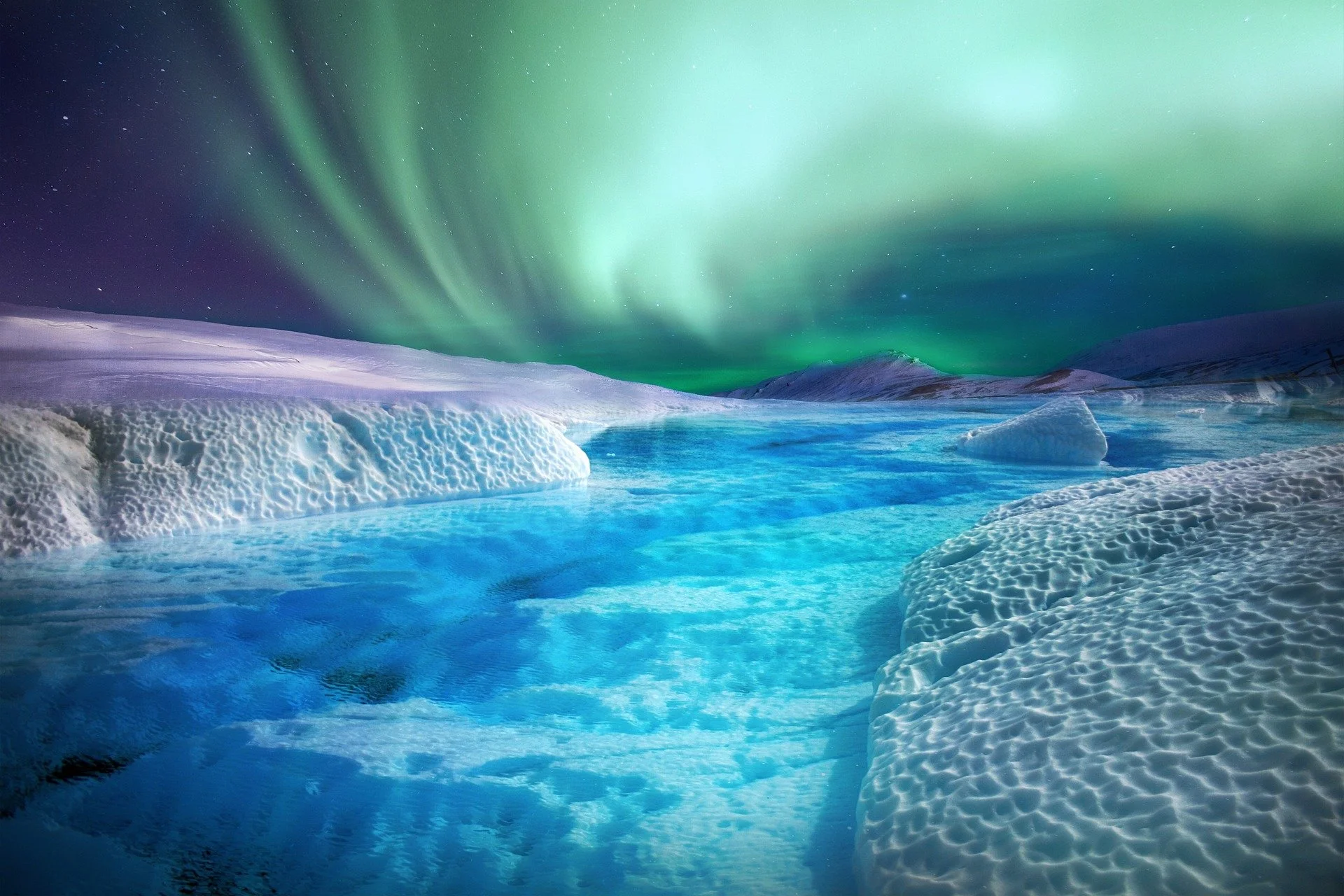
There's a moment every aurora chaser knows: you're standing outside in the cold, neck craned back, and the sky above you shifts from black to a faint green ripple that slowly brightens into color. It's one of the most awe-inspiring things nature has to offer, and if you've been waiting for the right time to see it, that time may be now.
Why Now Is the Moment
The sun moves through roughly 11-year cycles of activity, and Solar Cycle 25 peaked in late 2024 to early 2025, exceeding the original forecast, with activity remaining elevated through 2026 and into 2027 before gradually declining toward the next solar minimum around 2030 to 2031. That means the aurora borealis has been putting on an especially active show, and the best time to see the northern lights is expected to be during the 2026-2027 aurora season.
Here's the part most people get backward. Aurora activity doesn't peak the same moment the sunspot count does. As one astrophysicist explained, the northern lights don't reach their peak until a few years after solar maximum, meaning we should have several years still with very high aurora activity. So even though the "peak" technically already happened, the best viewing may still be ahead of us.
The reason has to do with the type of solar activity driving the show. High-speed solar wind streams from coronal holes, rather than sunspots, tend to build in the years right after a solar peak, making 2026-27 and 2027-28 likely to bring more frequent (if often modest) storm chances. In plain terms: fewer jaw-dropping mega-storms, but more nights with visible, dancing color overhead.
The Best Season, Not Just the Best Year
Timing your trip within the year matters just as much as picking the right year. The best nights to see the northern lights tend to fall around the spring and autumn equinoxes, when Earth's magnetic poles are in an optimal position to receive charged particles from the sun. So if you're planning a trip, late September through October, and again in March, are historically strong windows.
Beyond that, you'll want:
Long, dark nights. Aurora season generally runs from late August through April in far-northern destinations, with the darkest core months (November through February) offering the longest viewing windows.
Clear, cold skies. Even strong solar activity won't show through heavy cloud cover, so flexibility and a few nights in one location beat a single one-night stop.
A watchful eye on the Kp index. This is the scale used to measure geomagnetic activity. The higher the number, the farther south the aurora becomes visible.
Where to Go
The classic aurora belt circles the globe at high latitudes, and each destination has its own personality:
Alaska — Fairbanks sits almost directly under the auroral oval, making it one of the most reliable spots in North America. Clear, cold, dry winter air often means crisp, vivid displays.
Norway — Tromsø is a favorite for good reason: fjord views, easy access, and a long viewing season.
Iceland — Compact and dramatic, with the added bonus of glaciers, waterfalls, and geothermal spas to fill your daylight hours.
Finland and Swedish Lapland — Home to glass igloos and aurora cabins built specifically so you can watch from bed.
Canada's Yukon and Northwest Territories — Remote, low light pollution, and some of the darkest skies on the continent.
A Gentle Reminder
It's worth resisting the "now or never" framing that some headlines push. This far north, the aurora is a frequent sight through the season even in quieter years, often appearing high overhead. The solar cycle improves your odds; it doesn't make or break the trip. So while 2026 and 2027 look like exceptional years to go, there's no need for last-minute panic booking. Plan around the season and the moon phase (a bright full moon can wash out a faint display), give yourself several nights in one location, and let the sky do the rest.
